Estate Planning 101

It’s never too early to create an estate plan, but for some, there will be a time when it’s too late. Whether you’re 18 or 81, planning for the future is essential to ensure your medical wishes are observed and your finances protected.
Todd Whatley, a certified elder law attorney and owner of the Generations Legal Group law firm in Bentonville, says creating an estate plan early in life and updating it regularly can help older adults and their families avoid legal conflicts and confusion about care preferences.
“Having an estate plan in place before care is needed allows families to make decisions calmly rather than during a crisis,” Whatley says.
Care Coordination
Some individuals lose their decision-making capacity as they age, but advance planning gives families the opportunity to take the lead in their loved ones’ care no matter their condition.
“The biggest risk is losing the ability to make the plan at all. If someone develops dementia, has a stroke or becomes otherwise incapacitated, they may no longer have the legal capacity to sign estate planning documents. When that happens, families often have to go through a court guardianship process just to obtain authority to help their loved one,” Whatley says.
“Guardianships can be time-consuming, expensive and stressful for families. Planning ahead avoids those situations.”
The first steps to medical planning include setting up legal documentation about your wishes. That can include authorization forms under the Health Insurance Portability and Accountability Act — which outline who can access your medical records — and a health care power of attorney or medical directive.
“A health care power of attorney allows someone to make medical decisions if the person is unable to communicate those decisions themselves,” Whatley says. “Many powers of attorney take effect immediately but are primarily used if the person becomes incapacitated.”
Advance planning can also help you prepare for long-term care costs. Whatley says Medicaid generally doesn’t cover long-term nursing home care, but thoughtful planning can help alleviate costs.
“Planning ahead can help families explore options such as long-term care insurance, asset protection strategies and Medicaid planning,” he says.
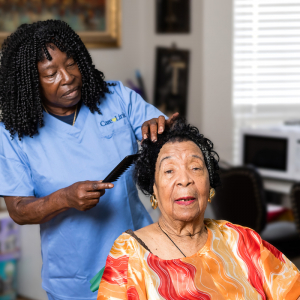
Even if you’re already under care, whether from a family member, a home health provider or a long-term care facility, getting a plan in place can ensure you remain in control of decisions about your health.
“Caregivers often play a critical role in helping seniors recognize the need for planning and getting the process started,” Whatley says. “If someone begins needing care but has not completed estate planning, it is important to speak with an attorney quickly while the individual still has the legal capacity to make decisions.”
Some of the mistakes Whatley sees in his practice are families waiting until a health crisis occurs to start planning and not planning for long-term care needs.
“Estate planning is not just about distributing assets after death — it is also about planning for incapacity and protecting families during difficult situations,” he says.
Financial Planning
In addition to protecting your medical wishes, estate planning also plays a critical role in ensuring your finances and wealth are used according to your preferences. Whatley says vital financial documents you’ll need are a will or trust and a durable financial power of attorney.
“A will directs how a person’s property should be distributed after death and requires a probate process through the court. A trust, on the other hand, allows assets to be managed and distributed according to the trust instructions without necessarily going through probate,” he says. “Not everyone needs a trust, but they can be very helpful for families who want more control and efficiency in how assets are handled.”
Trusts are also used during a person’s lifetime, including for managing assets if you become incapacitated and providing ongoing management for its beneficiaries. After you die, Whatley says the trust can potentially simplify the transfer of assets and allow for the protection of inherited funds for your heirs.
For a will or a trust, you must select an executor or trustee to administer your estate. Whatley says it’s important this person is trustworthy, responsible and can communicate effectively with your family members — whether they are a friend, family or professional.
“The person does not necessarily need financial expertise, but they should be organized and willing to carry out the responsibilities involved. In some cases, families choose a professional trustee or a corporate fiduciary if the estate is complex or if there is potential family conflict,” he says.
Whatley says the earlier and more proactively a person starts getting their finances into place, the better off they will be.
“The biggest financial risks facing seniors today are not estate taxes but long-term care costs and the possibility of incapacity. Having a plan in place allows families to protect assets, make informed decisions and avoid unnecessary stress during difficult times,” he says.
Document Details
What you need to get your affairs in order
Health care power of attorney: A designated agent who knows and will execute your medical wishes
A Durable Power of Attorney for Health Care form available from the Arkansas Department of Health: You can use the Center for Practical Bioethics Caring Conversations Workbook as a guide for advance care planning and reference for your chosen agent.
Will
Your signature: In Arkansas, handwritten wills are valid, but the entire document must be written in your own handwriting and signed.
Competency: A person must be over 18 years old and of sound mind to make a will, meaning they have not been declared incompetent by a court and have the legal ability to understand and make their own choices.
Witnesses: Typed wills need at least two witnesses who will not benefit from an inheritance.
Executor: This is a designated agent who will carry out the terms of your will. This can be an attorney, bank, loved one or another trusted contact.
Trust
Trust document: A written agreement specifying how assets are managed, naming beneficiaries and setting instructions for asset distribution
Trustee: A designated agent to manage the trust
Asset transfer: Assets must be transferred into the trust.
Notarization: The trust document must be signed in front of a notary public.
An attorney is also helpful when creating a trust, as they have the breadth of knowledge to ensure all desired assets are in the trust and instructions for later distribution are clear.